

串列顯示器和標準TFT顯示器有什麼不同?
在嵌入式系統設計、工業自動化、消費性電子領域,顯示器是核心的人機介面(HMI)組件。工程師和產品開發人員經常面臨一個關鍵決定:在串行埠顯示器和標準顯示器之間進行選擇TFT顯示幕。雖然兩者都為電子設備提供視覺輸出,但它們的內部運作機制、硬體介面、資源消耗、開發難度和應用場景卻截然不同。
什麼是串口顯示器?
A serial port display—often called a "smart serial display," "serial HMI," or "UART TFT display"—is a self-contained module that integrates a TFT LCD panel with a dedicated graphics controller, frame buffer memory, and a serial communication interface. These modules function as complete display subsystems, processing graphical commands received over a serial connection without burdening the host microcontroller. They support mainstream serial protocols including UART, SPI, and I2C, enabling data and instruction transmission through only a few signal wires.
什麼是標準 TFT 顯示器?
A standard TFT (Thin Film Transistor) display is a pure hardware bare screen based on traditional TFT LCD imaging technology. It is a non-intelligent display component without an independent control system or built-in driver firmware. Standard TFT顯示器完全依靠外部主控制器完成所有與顯示相關的工作,包括像素資料運算、幀緩衝儲存、螢幕刷新、色彩校準等。
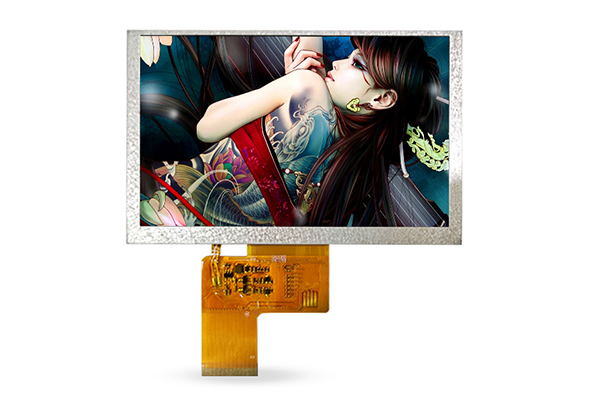
串列顯示器與標準 TFT 顯示器之間的關鍵技術差異
兩種顯示類型之間的技術差距包括硬體介面、控制器資源佔用、驅動難度、傳輸效率和系統穩定性。這些技術差異是專案選擇的核心依據,直接影響產品開發週期和營運績效。
1. 硬體介面及接線複雜性
Serial port displays feature extremely simplified hardware wiring, which is one of their most prominent advantages. Most serial display modules only require 3 to 4 wires for normal operation: power supply, ground wire, and serial communication signal wires. UART-based serial displays only need TX and RX pins for data transmission; SPI and I2C serial displays also complete communication through a minimal number of pins. This ultra-low pin count greatly reduces PCB layout difficulty, saves board space, and avoids complex wiring routing problems.
2、主控資源佔用狀況
Serial port displays are designed for low power consumption and low resource occupancy. Since the display module integrates an independent graphics processing unit and frame buffer, all pixel rendering, data caching, and screen refreshing work is completed by the display’s own chip. The host MCU only needs to send simple control commands at low frequency, with almost no CPU resource occupation.
標準TFT displays consume massive main controller resources. Without independent caching and processing capabilities, all frame data must be calculated, stored, and output by the host processor. The main controller needs to continuously refresh pixel data, occupy large-capacity RAM for frame buffer storage, and maintain high-frequency signal output.
3. 驅動開發難度與週期
The development threshold of serial port displays is extremely low. Manufacturers provide complete and mature serial communication protocols, universal command sets, and supporting upper computer debugging tools. Developers do not need to understand underlying LCD driving principles, pixel timing logic, or graphics rendering algorithms. They only need to call simple serial commands to realize functions such as text display, picture switching, animation playback, and touch control.
標準TFT顯示器 require professional embedded development capabilities and longer development cycles. Developers need to write underlying driver code from scratch, configure screen timing parameters, debug color calibration, build frame buffer management logic, and optimize screen refresh fluency. Different sizes and model TFT screens have different timing parameters and driver requirements, resulting in poor compatibility.
4. 資料傳輸速度和刷新效能
Limited by serial communication protocol bandwidth, the refresh rate and data transmission speed of serial port displays are relatively low. UART serial displays have the lowest bandwidth, suitable for static display and low-frequency update scenarios; SPI serial displays have improved speed but still cannot support high-definition full-screen real-time refresh.
標準TFT顯示器採用平行或高速MIPI/RGB接口,具有超高資料傳輸頻寬,支援高解析度、高幀率螢幕刷新。它們可以流暢地顯示1080P高清影像、動態影片以及複雜的動畫效果,不卡頓。
5.系統穩定性
串口顯示器具有優異的系統穩定性。顯示模組一體化設計減少了外部電路環節,簡單的串行接線有效避免了複雜並行接線帶來的訊號幹擾和線路故障問題。
標準TFT顯示器的系統穩定性相對較差。複雜的平行訊號線容易受到外界電磁幹擾,導致螢幕閃爍、色彩失真、雪花雜訊等。
標準TFT顯示器提供最高的效能、解析度靈活性和像素級控制,但代價是開發複雜度增加、引腳數增加以及對主機處理器的要求更高。它們是高效能應用程式、自訂圖形要求以及必須嚴格控制顯示各個方面的項目的正確選擇。
序列埠顯示器優先考慮易用性、快速開發和最小主機資源消耗,但代價是降低頻寬和解析度限制。他們擅長工業 HMI 應用、原型設計、資源限制系統以及上市時間有限的項目
很關鍵。
上一个:顯示器如何悄悄改變科學發現?