

您注意到公車上的公車費支付驗證器了嗎?
Think about your daily bus ride. You tap your bus card, maybe check the route, and grab a seat. But have you ever stopped to consider the technology making that seamless interaction possible? The 7吋觸控顯示螢幕安裝在公車控制台上和駕駛員旁邊的是工業工程的奇蹟,與口袋裡精緻的玻璃板(手機)相去甚遠。它是一款專為惡劣環境而設計的專用工具,其演變是顯示和觸摸技術領域的引人入勝案例研究。
As the digital conductor: the validator is more than just a fare box, The primary job of these screens is to serve as the command center for fare collection and vehicle management. But their role is expanding. Today, we are seeing a transition from simple monochrome screens to vibrant, full-color TFT LCDs that provide real-time feedback to passengers and drivers alike.
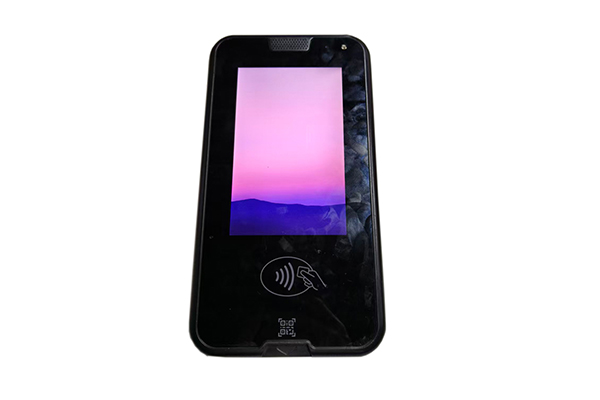
For the driver, the 7-inch console is an interpersonal interaction platform. It displays vehicle status, dispatches messages, and even handles driver attendance via built-in RFID(radio frequency identification). For the passenger interface, these screens validate tickets, show balances, and provide visual confirmation of payment. As transit systems modernize, these displays are becoming nodes in a connected, smart city infrastructure, with some of the latest innovations even incorporating transparent OLEDs and AI-driven multilingual support for enhanced accessibility.
Q:公車觸控螢幕與平板電腦有何不同?
答:這一切都與環境承受力有關。雖然您的平板電腦在陽光直射或嚴寒中難以忍受,但這些總線顯示器可以承受極端溫度、衝擊、振動,甚至灰塵和濕氣的侵入。
這些單位的標準是7吋TFT液晶屏, often with a resolution of 800x480 or higher. However, the "magic" lies in the enhancements. To combat glare from direct sunlight-a common issue in outdoor transit-manufacturers employ "Optical Bonding." This process eliminates the air gap between the LCD and the touchscreen, drastically reducing internal reflections and improving visibility.
此外,這些顯示器通常具有高亮度(以尼特為單位)和自動光感應器,可調整螢幕照明,從刺眼的陽光到黑暗的夜晚。它們也經過測試,可承受 -20°C 至 +70°C 的溫度範圍,並符合 E-Mark 和 IK(衝擊保護)評級等嚴格的安全標準,以確保它們不會在事故中破碎。
The real decision point in designing these consoles is the type of touch panel to use, and the trend is firmly shifting toward capacitive touch panels (CTP). The older technology, Resistive touch, works on pressure. While it can be operated with any object (including thick gloves) and is cheaper, it offers poor optics, a plastic feel, and struggles with modern multi-touch gestures.
為什麼 CTP 會接管大眾運輸?
因為公車不再只關乎耐用性,而是關乎使用者體驗。 CTP 提供明亮、防刮的玻璃表面、卓越的可視性,並支援使用者期望從現代設備中獲得的直覺「滑動」和「捏合」手勢。
However, standard CTP (like on a phone) won't work well on a bus. It needs to work with gloved fingers and in the rain. Therefore, advanced PCAP (projected capacitive touch) solutions are being developed with high-sensitivity "Glove Mode" and "Wet Touch" firmware that can distinguish between a raindrop and a deliberate finger press. Solutions to prevent interference in dual-screen setups are also be working on, ensuring the system is robust and safe.
The market is booming, projected to grow significantly as smart city initiatives and electric vehicle fleets expand. As we look to the future, these unassuming 7’’ screens will integrate deeper with fleet management systems, incorporate AI for adaptive interfaces, and perhaps even use flexible OLEDs for next-level designs. The humble bus display is no longer just a way to pay your fare, it’s the beating heart of the modern, connected commute, the future is bright and interactive.