

為什麼小螢幕在穿戴裝置中佔據主導地位?
The screens of wearable devices (smartwatches, wristbands, smart glasses, etc.) exhibit distinct characteristics of "miniaturization, high precision, and low power consumption". Among them, the small-sized LCD screen of 1.0-2.1 inches has become the mainstream choice in the current wearable device market due to its technological maturity, scene adaptability, and cost advantages, leading the development direction of the industry. The small-sized LCD display screen, with its unique technological architecture advantages, has found the best balance between physical limits, cost control, and user experience.
為什麼小顯示器非常適合穿戴式裝置?
穿戴式裝置的使用情境複雜(室內、戶外、運動、睡眠等),對螢幕的低功耗、高可靠性、廣視角、抗干擾等要求極高。小尺寸液晶螢幕的技術特性(尤其是TFT-LCD)。
1、簡潔、生動
穿戴式裝置需要緊湊、輕巧且舒適。例如,1.28吋圓形TFT非常適合手腕配戴裝置。
2.超低功耗
穿戴式裝置多採用小型鋰電池供電(容量一般在100-500mAh之間),續航力是用戶的核心訴求之一。小型液晶螢幕針對背光設計進行了最佳化,並使用低功耗驅動晶片。
3.體積小,解析度高
IPS TFT 或 AMOLED 模組可以提供豐富的 UI、動畫和清晰的健康數據圖表。
4. 可自訂的介面
例如,SPI/I2C/MIPI介面觸控層和圓形或矩形形狀可以幫助設備製造商根據產品特性客製化螢幕。
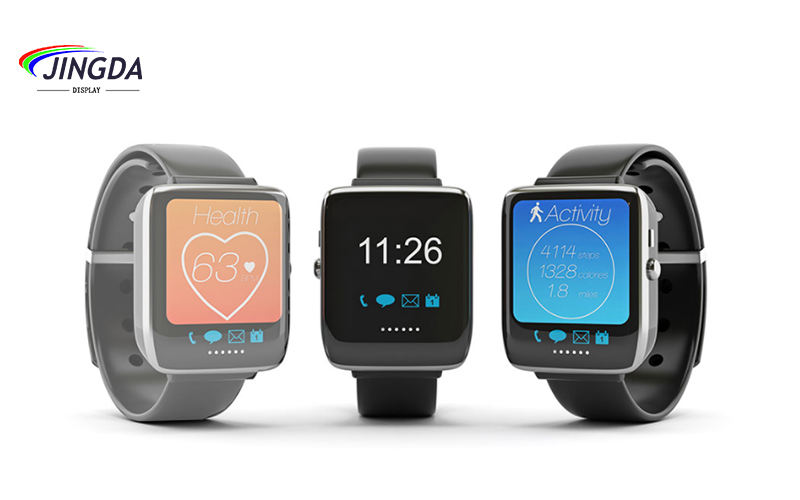
隨著消費性電子小型化趨勢的推進,穿戴式裝置的形態將變得更加多樣化,例如智慧戒指、智慧眼鏡等。這些設備對螢幕尺寸的要求將進一步降低,適應性優勢小尺寸液晶顯示器將會變得更加突出。